
Tungsten Processing: Methods, Properties, and Applications
TTungsten is a critical material used across many industries because of its extremely high melting point, exceptional hardness, and distinctive chemical stability.
This article provides a clear overview of tungsten, explaining its fundamental properties, the challenges associated with machining and processing it, and the key methods used for fabrication. It also highlights how tungsten supports both everyday technologies and specialized industrial applications.
For companies considering tungsten for manufacturing or engineering purposes, this information serves as a practical reference for understanding its performance characteristics and processing considerations.
Table of Contents
What is Tungsten?
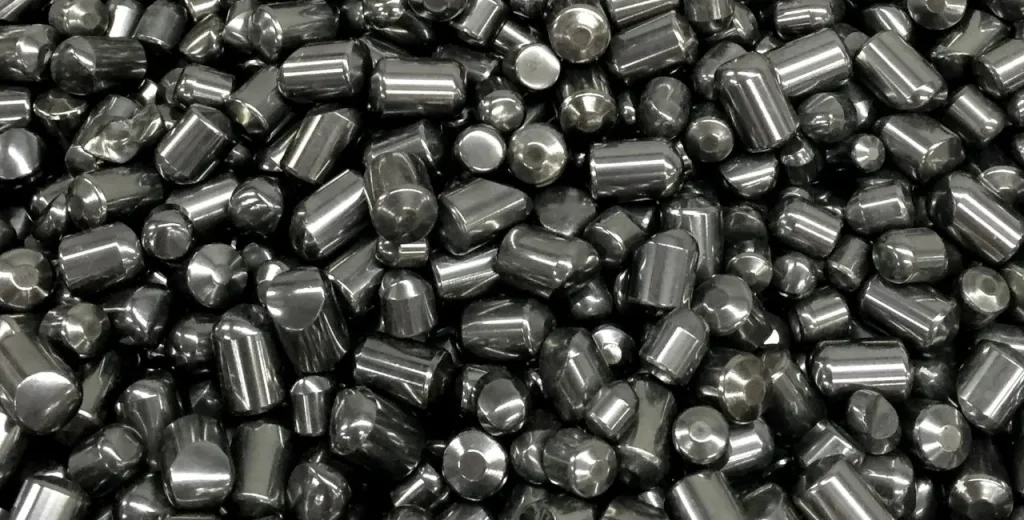
Tungsten is a metallic element represented by the symbol “W” on the periodic table. With an atomic number of 74, its name originates from the Swedish term “tung sten,” meaning heavy stone. It is an exceptionally dense and hard rare metal and is known for having one of the highest melting points among all metals.
Because of these properties, tungsten maintains excellent dimensional stability even in high-temperature environments, which is why it is widely used in applications such as cutting tools and high-performance components. Although it may not be as widely recognized as metals like iron, aluminum, or copper, tungsten is actually used in many products and technologies encountered in everyday life.
At the same time, tungsten is classified as a difficult-to-machine material. It tends to accelerate tool wear and can make it difficult to achieve the required surface finish, meaning specialized tooling and optimized machining conditions are often necessary.
Differences between Tungsten and Molybdenum
Tungsten and molybdenum are metallic elements that share key characteristics, including high melting points, high density, low thermal expansion, and excellent thermal conductivity. Despite these similarities, they differ significantly in their machinability.
Molybdenum is relatively easy to machine, allowing for complex shapes and precise processing. Tungsten, on the other hand, is extremely hard and presents a much greater challenge during machining.
Tungsten’s strength and durability at high temperatures make it ideal for cutting tools and other high-performance components. Molybdenum, with its high-temperature strength and low thermal expansion, offers exceptional dimensional stability under heat. Each metal is selected for specific applications based on its combination of machinability, thermal properties, and mechanical performance.
Characteristics and Properties of Tungsten
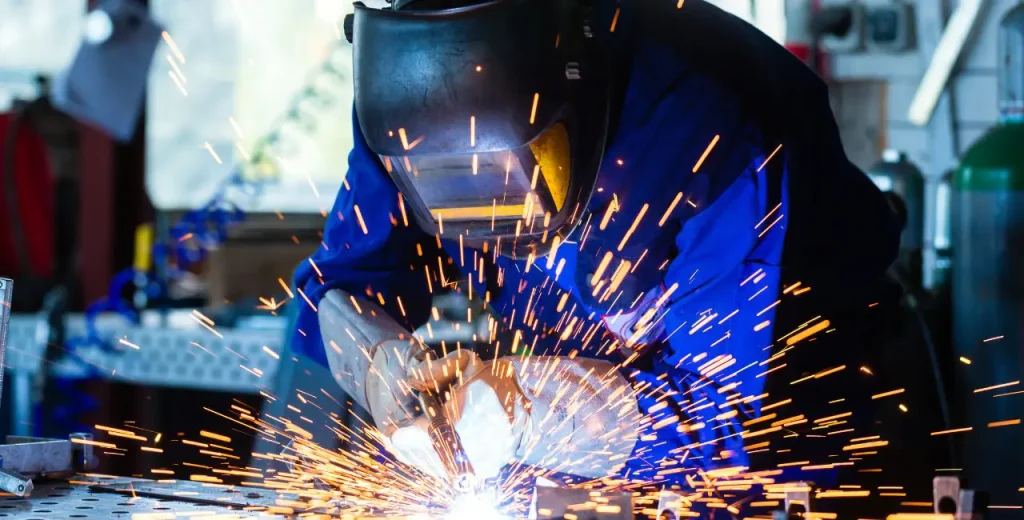
Tungsten is a highly valued material in numerous industries due to its unique physical and chemical properties.
Physical Properties of Tungsten
High Melting Point
Tungsten’s melting point is approximately 3422°C, making it one of the metals with the highest melting points. This exceptional heat resistance enables its application in spacecraft components and high-temperature furnace materials.
Hardness
When formed into tungsten carbide, commonly known as cemented carbide, it achieves a hardness level second only to diamond. This property makes it ideal for applications that require wear-resistant materials, particularly in the manufacture of cutting tools and drilling bits.
Density
Tungsten has a density of about 19.25 g/cm³, which surpasses that of lead. This characteristic makes it suitable for applications where weight plays a crucial role, such as radiation shielding materials and counterweights.
Chemical Properties of Tungsten
Corrosion Resistance
Tungsten is highly resistant to many acids and alkalis, which makes it an essential material in the chemical industry. It is especially valuable in environments that require protection against acidic substances. These corrosion-resistant properties allow tungsten to perform reliably in tough and demanding conditions.
Stability
Tungsten retains its properties even when exposed to high temperatures and oxidizing conditions, showing exceptional stability. This makes it ideal for manufacturing glass and ceramics, where high heat is involved. It is also widely used in the aerospace industry for components that must endure extreme temperatures.
Examples of Tungsten Applications (Contributing to Diverse Industries)
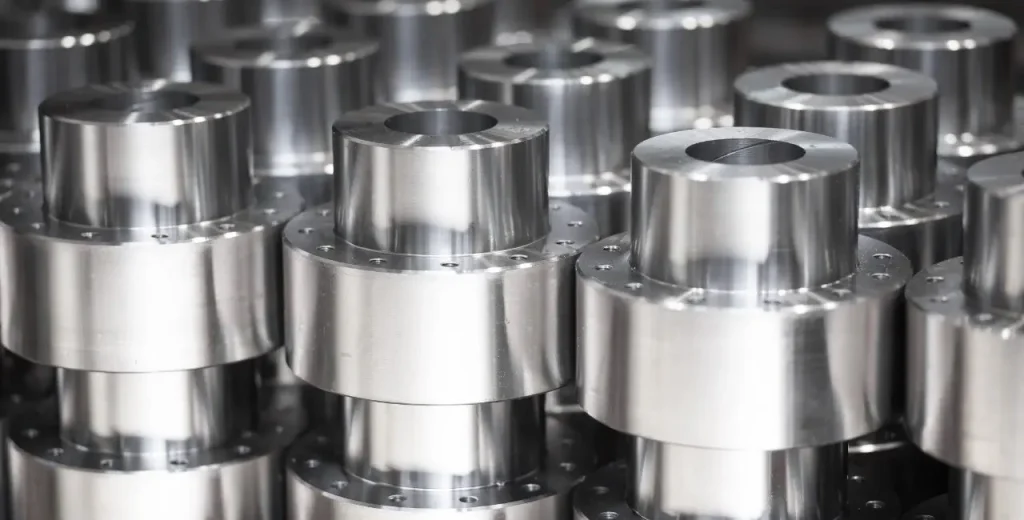
Tungsten plays a crucial role in numerous industries due to its high melting point and hardness.
Cutting Tools
Tungsten’s exceptional hardness gives it excellent resistance to high temperatures and wear generated during metal cutting in machine tools. This makes it an ideal material for cutting tools, commonly used in precision machining applications.
Tools and Molds
Leveraging its heat resistance and hardness, tungsten is also used for tools and molds. It retains its shape under prolonged use and high loads, extending the lifespan of these components. This property is particularly valued in the automotive and heavy industries.
Semiconductor Industry
Tungsten is used as a wiring material in semiconductor devices. Its high conductivity and heat resistance make it ideal for high-speed and high-performance semiconductor applications.
Automotive Industry
Tungsten is well-suited for high-temperature environments, making it valuable in automotive engine components and exhaust systems. Its ability to maintain performance under high temperatures helps improve engine efficiency and durability.
Medical Industry
Tungsten is also used as a radiation shielding material. It is commonly found in X-ray equipment and radiation therapy devices, helping to block radiation and ensure patient safety.
Key Machining Methods for Tungsten
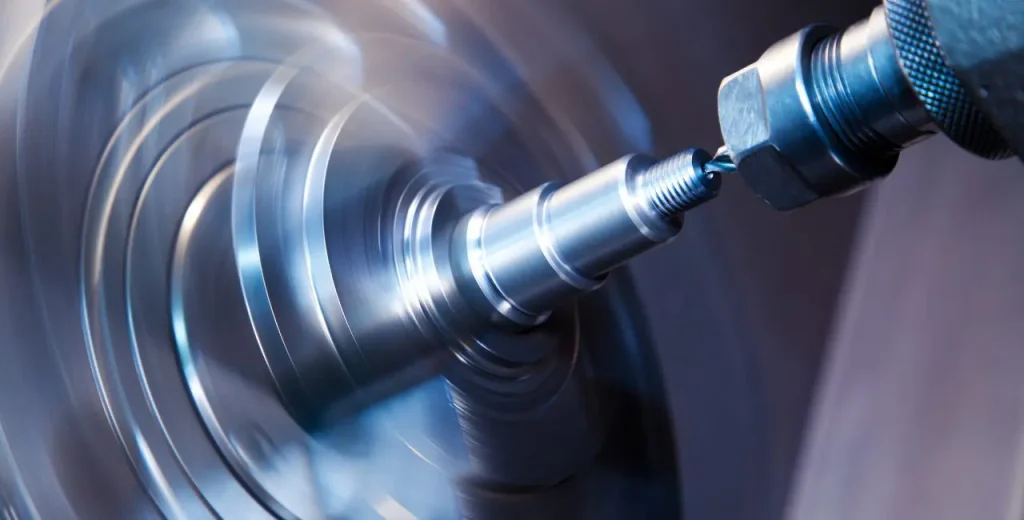
Lathe Machining
This machining method involves rotating the metal while cutting it, shaping tungsten into cylindrical or spherical forms.
To address tungsten’s high hardness, tools with higher rigidity and advanced techniques are required compared to standard machining of other metals.
Lathe machining allows for precise dimensional control, making it suitable for manufacturing industrial parts and precision instrument components.
Milling
Milling is used to create complex metal parts and is particularly versatile in shaping various forms.
For hard materials like tungsten, specialized tools and techniques are necessary to achieve high accuracy and fine finishes.
This machining method is highly valued in the manufacturing of products that require complex shapes and precision, such as automotive and aerospace components.
Thread Machining
Thread machining involves creating screws and threaded holes, demanding precise processing.
Tungsten’s brittle nature and tendency to chip make it challenging to produce clean thread profiles and maintain surface roughness. Tool wear is also severe, making it difficult to maintain quality that meets gauge specifications.
Why Choose Koyo for Your Tungsten Machining?
Tungsten’s extreme hardness demands specialized tools, precise techniques, and expert handling to achieve accurate and reliable results. At Koyo High Precision, we combine advanced technology with years of hands-on experience to manage even the most challenging tungsten machining projects.
Our team focuses on delivering unmatched precision by employing methods specifically designed for tungsten’s unique properties. From intricate industrial components to high-performance parts, we consistently meet the strict standards required in demanding applications.
We are committed to providing superior quality and flawless results on every project. Contact Koyo High Precision today for consultations or quotations. We’re ready to support all your tungsten machining needs.
