
Permalloy Explained: Magnetic Properties, Applications, and Machining Considerations

Permalloy is a nickel-iron alloy known for its extremely high magnetic permeability and low coercivity. These magnetic characteristics make it an essential material for applications that require precise magnetic control and minimal energy loss.
Permalloy is widely used in magnetic shielding, electronic components, transformer cores, and magnetic sensors across various industries. Its ability to efficiently guide and respond to magnetic fields supports stable and accurate performance in sensitive devices.
This article provides a detailed overview of permalloy, including its key properties, typical applications, and important considerations for machining and processing.
Table of Contents
Composition and Types of Permalloy

Permalloy is a nickel-iron alloy, and its magnetic, mechanical, and processing characteristics are largely determined by the ratio of its constituent elements. By adjusting the nickel and iron content, permalloy can be tailored to meet specific magnetic performance requirements.
At Koyo High Precision, the two permalloy grades for which we most frequently receive machining requests are the following:
- PB Permalloy
Composition: Nickel 45%, Iron 55% - PC Permalloy
Composition: Nickel 77 percent, Iron 14 percent, Copper 5 percent, Molybdenum 4 percent
Each grade exhibits distinct magnetic and machining characteristics, making proper material selection and process control essential for achieving the required performance.
Characteristics of Permalloy
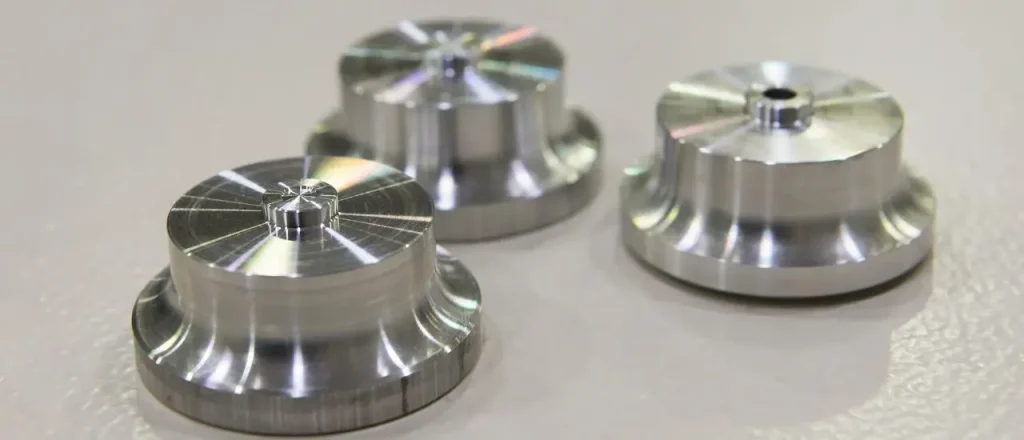
High Permeability
Permalloy is highly valued across many industrial fields for its exceptional magnetic properties. Among these, its extremely high magnetic permeability is one of the most important characteristics.
Magnetic permeability indicates how easily a material can be magnetized when exposed to an external magnetic field. Permalloy responds sensitively even to very small changes in magnetic fields, allowing it to quickly guide and concentrate magnetic flux.
This high sensitivity enables permalloy to detect and respond to subtle magnetic field fluctuations with high accuracy. As a result, it is widely used in electronic devices and magnetic components where precise control, signal stability, and reliable performance are essential.
Low Coercivity
Permalloy has low coercivity, which means that magnetization is released quickly once the external magnetic field is removed. As a result, very little residual magnetism remains after demagnetization.
This characteristic is a significant advantage in applications that require rapid magnetic response and reliable reset behavior. Components made from permalloy can repeatedly switch between magnetized and non-magnetized states without performance degradation.
Low coercivity is particularly important in magnetic memory devices, sensors, and precision electronic components, where stable operation, reusability, and accurate signal detection are required.
Magnetic Shielding Performance
Permalloy offers highly effective magnetic shielding performance due to the combination of high magnetic permeability and low coercivity. Magnetic shielding materials are used to protect sensitive equipment from unwanted magnetic fields and electromagnetic noise, and permalloy is particularly well suited for this purpose.
Its high permeability allows external magnetic fields to be efficiently absorbed and redirected, while its low coercivity prevents the material from retaining magnetization after the field is removed. This combination enables stable and repeatable shielding performance.
Because of these characteristics, permalloy is widely used as a protective material to suppress magnetic noise and maintain the accuracy and reliability of sensitive electronic and measurement equipment.
Magnetic Flux Concentration Capability of Permalloy
Permalloy has an excellent ability to concentrate magnetic flux, allowing it to generate a much stronger magnetic response than the applied external magnetic field. This characteristic enables efficient guidance and control of magnetic fields within compact components.
Because of this property, permalloy is widely used as a core material in magnetic sensors, transformers, inductors, and power converters. In sensor applications, it enables precise detection of even minor changes in magnetic fields. In transformers and inductive components, it supports efficient magnetic energy conversion while minimizing losses.
The strong magnetic flux concentration capability of permalloy makes it a preferred material for applications that require high sensitivity, efficiency, and stable magnetic performance.
Property Enhancement through Heat Treatment
Permalloy’s properties can be further enhanced through heat treatment. Magnetic annealing at temperatures above 1000°C significantly increases permeability, resulting in improved performance for specific applications.
This treatment optimizes the microstructure of the material, enhancing its magnetic characteristics and enabling high-performance components.
Applications of Permalloy
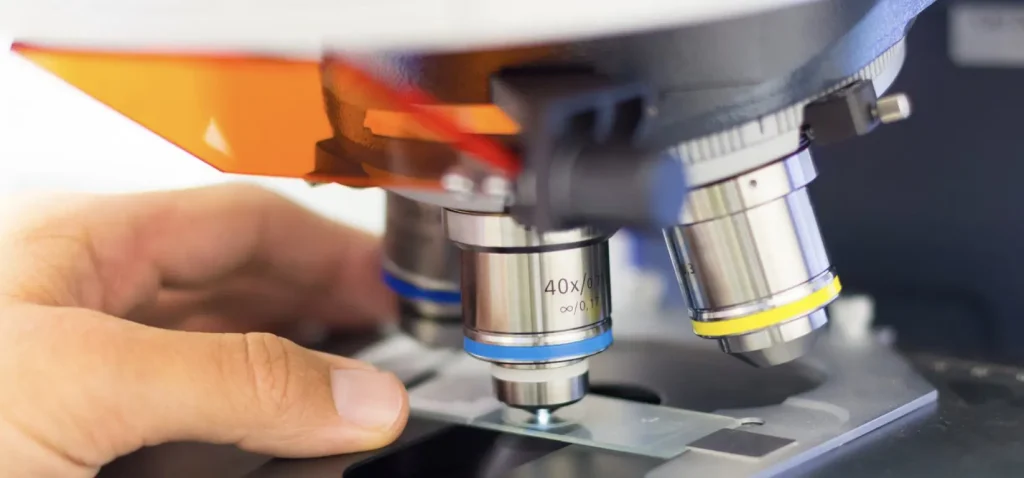
Permalloy is a magnetic material that takes advantage of its high magnetic permeability and low coercivity, playing an important role across a wide range of applications.
It is widely used in magnetic shielding, electronic components, transformer and transformer cores, magnetic sensors, and inductors, where stable and precise magnetic performance is required.
Magnetic Shielding
In magnetic shielding, permalloy plays a crucial role in protecting precision equipment from magnetic noise and external fields.
For example, medical devices and communication equipment that are sensitive to minor magnetic influences can lose accuracy and reliability without permalloy shielding.
Permalloy effectively blocks unwanted magnetic fields, ensuring that equipment operates under ideal conditions.
Electronic Components
Permalloy has a wide range of applications in electronic components.
In electron microscopes, it is used for magnetic shielding to prevent interference when observing microscopic samples.
In acoustic and measurement equipment, permalloy shielding cases help reduce noise and improve signal clarity.
Additionally, in inverter motor control devices, permalloy helps minimize magnetic interference, enhancing the precision and efficiency of the equipment.
Transformer and Inductor Cores
When used as cores for transformers and inductors, permalloy enables efficient power conversion due to its high permeability and magnetic flux concentration.
High permeability allows magnetic field changes to be transmitted quickly through the core, while magnetic flux concentration efficiently converts input energy to output energy.
These features allow transformers and inductors to remain high-performing while being miniaturized, improving the stability and cost-effectiveness of power supplies.
Magnetic Sensors
In magnetic sensors, permalloy enables accurate detection of small magnetic field changes, providing high sensitivity and precision in applications such as geomagnetic measurement, vehicle position and speed sensing, and digital compasses.
By using permalloy, sensors can respond quickly to subtle environmental changes and deliver reliable measurement results.
Machining Challenges and Processing Considerations for Permalloy
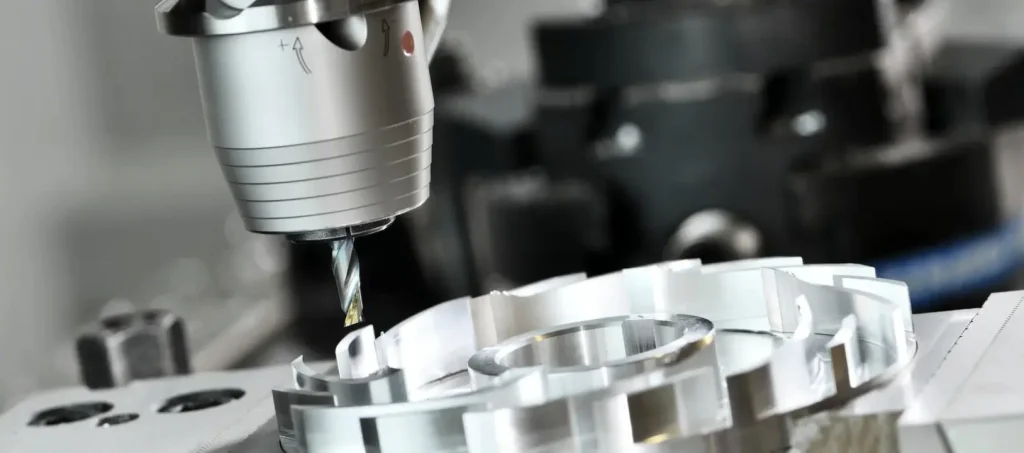
While permalloy offers relatively good machinability among nickel-based alloys, several material characteristics make precision processing challenging. These include high material viscosity, low thermal conductivity, and a tendency to work-harden during machining.
Permalloy also has a strong tendency to adhere to cutting tools. As the cutting zone temperature rises, chips or softened material can bond to the tool edge, which accelerates tool wear and can lead to chipping, breakage, and reduced machining accuracy when conventional tooling is used.
In permalloy machining, proper control of cutting speed alone is not sufficient. Effective cooling of the cutting area is equally critical. Selecting and supplying the appropriate cutting oil plays an important role not only in heat reduction, but also in minimizing tool wear and supporting stable chip evacuation.
For these reasons, high-precision machining of permalloy requires specialized knowledge, suitable cutting tools, and carefully optimized cutting conditions to achieve consistent quality and dimensional accuracy.
Trust Koyo High Precision for Permalloy Machining
The difficulty of machining permalloy originates from its unique physical characteristics, including high viscosity, low thermal conductivity, and a strong tendency to work-harden during processing. Because of these properties, conventional machining methods can easily result in tool wear, tool breakage, and reduced dimensional accuracy.
Koyo High Precision has extensive experience and proven expertise in the precision machining of special alloys, allowing us to achieve high-accuracy results even with difficult-to-machine materials such as permalloy.
Our technical capabilities cover all critical aspects of permalloy machining, including appropriate tool selection, optimization of cutting conditions, and effective cooling control during processing. This comprehensive approach ensures stable machining quality and consistent performance.
If you are considering permalloy machining or require support with complex magnetic components, Koyo High Precision is a reliable partner you can trust. Please feel free to contact us for technical consultation or project discussion.
