
Is Stainless Steel Hard to Machine? Challenges, Grades, and Machining Tips

Table of Contents
What is Stainless steel?

Stainless steel is an iron-based alloy primarily made by adding chromium and, in many cases, nickel. When the chromium content exceeds 10.5 percent, a thin but stable chromium oxide layer forms on the surface. This passive layer protects the material from rust and corrosion, even in harsh environments.
Nickel is often added to further improve corrosion resistance, toughness, and formability. It also helps stainless steel maintain strength over a wide temperature range, which is why it is trusted in demanding applications.
Because of these properties, stainless steel is widely used across many industries, including kitchen equipment, construction, medical devices, semiconductor equipment, and automotive components.
Stainless steel is not a single material but a family of alloys. Common categories include non-magnetic austenitic stainless steels, as well as magnetic ferritic and martensitic grades. For applications that require strength and stability at elevated temperatures, heat-resistant stainless steels and related alloys are also used.
Types of Stainless Steel

Stainless steel is classified into several series based on its composition and crystal structure, with the three main types being austenitic, ferritic, and martensitic.
Austenitic Stainless Steel
Austenitic stainless steel is the most commonly used type of stainless steel. It mainly contains chromium and nickel. The nickel helps keep its structure stable at room temperature, which makes the steel non-magnetic. This type of steel is also known for its excellent strength, toughness, and corrosion resistance.
It also features good formability and weldability, making it widely used in kitchen utensils, piping materials, and building materials. Representative grades include 304 (18-8 stainless steel) and 316 (which contains molybdenum for enhanced corrosion resistance).
Ferritic Stainless Steel
Ferritic stainless steel has chromium as its main component and contains very little or no nickel.
Due to its ferritic phase crystal structure (body-centered cubic structure), it is magnetic. While it offers excellent oxidation resistance, it has lower toughness and formability compared to austenitic steel.
It is commonly used in automotive exhaust system parts, kitchen sinks, and building materials, with 430 and 439 being well-known grades.
Martensitic Stainless Steel
Martensitic stainless steel is an alloy of chromium and carbon known for its high hardness and strength.
It can be hardened by heat treatment, making it suitable for applications requiring high wear resistance, such as knives, tools, and industrial bearings.
It is magnetic and, like ferritic steel, has oxidation resistance, but its corrosion resistance is inferior to that of austenitic steel.
Representative grades include 420 and 440C.
Stainless Steel Processing Methods
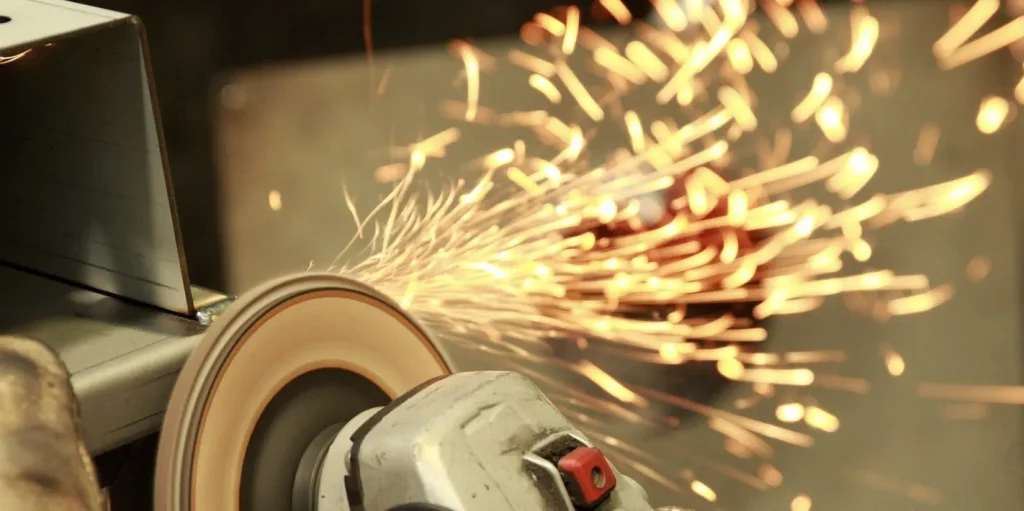
Here are some common stainless steel processing methods:
Cutting and Machining Characteristics
Stainless steel is generally considered difficult to machine due to its tendency to work-harden and its relatively low thermal conductivity. During cutting, heat is not easily dissipated and instead concentrates at the cutting edge, accelerating tool wear.
This behavior is particularly pronounced in austenitic stainless steels such as SUS304 and SUS316. As machining progresses, the combination of heat and plastic deformation can cause strain-induced martensite to form, locally increasing hardness. As a result, cutting resistance rises, tools wear faster, and tool life is significantly reduced.
To minimize these machining challenges, appropriate cutting conditions are essential. This includes the use of sufficient cutting fluid to control heat, as well as selecting cutting tools with suitable geometries, coatings, and material grades. Optimizing cutting speed, feed rate, and depth of cut also plays a critical role in achieving stable machining and consistent dimensional accuracy.
Welding
Stainless steel can be welded using various methods, including shielded metal arc welding, submerged arc welding, laser welding, and gas welding.
However, welding stainless steel presents certain challenges. The heat generated during welding can cause material distortion, and achieving high-quality welds requires advanced welding skills and careful process control.
Surface Treatment
Surface treatments for stainless steel include painting, plating, chemical coloring, and etching.
These treatments enhance rust resistance and allow for various color finishes.
Why Stainless Steel is Difficult to Process
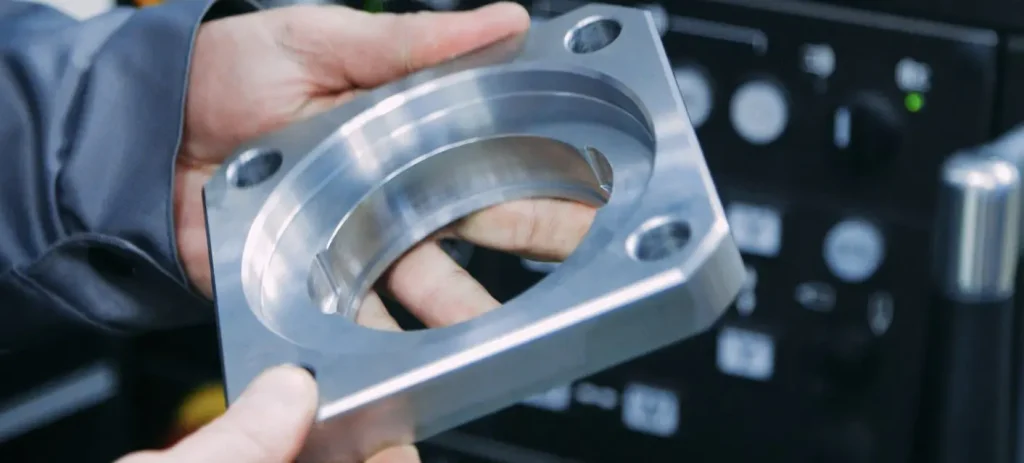
Poor Thermal Conductivity
Stainless steel has relatively low thermal conductivity due to its alloy composition. During machining, the heat generated at the cutting zone is not efficiently dispersed throughout the material but instead concentrates near the tool edge.
This localized heat buildup places a high thermal load on cutting tools, accelerating tool wear and increasing the risk of tool damage. Without proper heat control, machining stability and tool life can be significantly reduced.
Tendency to Work Harden
Work hardening commonly occurs when processing stainless steel.When force is applied, the crystal structure changes locally, increasing hardness.This makes processes such as cutting and drilling more difficult.
Metal Chips Easily Adhere to Tools
During stainless steel machining, metal chips tend to adhere to cutting tools more readily than with many other materials. This tendency is particularly pronounced in high-speed cutting operations, where chips can weld to the cutting edge and form a built-up edge.
When this occurs, the effective sharpness of the tool is reduced, cutting resistance increases, and surface finish quality can deteriorate. Over time, this adhesion accelerates tool wear and can lead to unstable machining conditions.
Different Types of Stainless Steel

There are multiple types of stainless steel, including austenitic, ferritic, and martensitic, each with its own chemical composition and physical properties.
The differences in these properties require specific approaches in processing methods, necessitating caution.
For example, austenitic steel is non-magnetic and prone to work hardening, so low-speed processing and special tools are recommended for cutting.
On the other hand, ferritic and martensitic steels require different processing techniques from the perspectives of heat resistance and hardness.
Trust Koyo High Precision for Machining Materials
Koyo High Precision delivers high-quality stainless steel machining by combining advanced technology with decades of manufacturing expertise.
We work with a wide range of stainless steel materials, including austenitic, ferritic, and martensitic grades. From precision cutting and machining to welding and surface treatments, we offer comprehensive processing capabilities to meet diverse requirements.
Even stainless steels that are considered difficult to machine can be handled with precision and efficiency at Koyo Denki.
If you are considering stainless steel machining, please feel free to contact us for more information.
