
Machining Plastics: Techniques, Methods, and Step-by-Step Guide
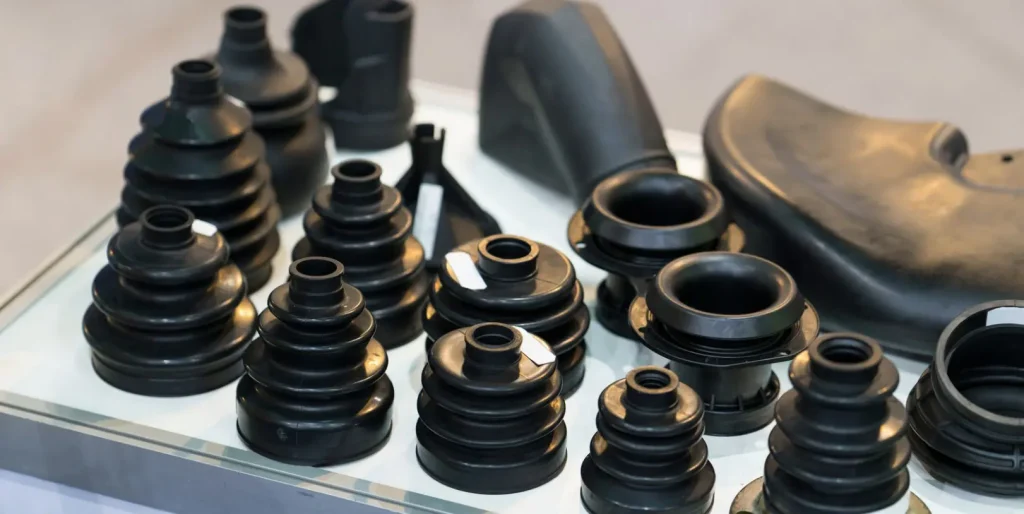
Originally, the term “resin” referred to natural substances such as lacquer or pine sap that had solidified over time. However, the limited availability of natural resins led to the development of synthetic resins, which are more affordable and suitable for mass production.
Today, when we talk about resin, we are usually referring to these synthetic materials, which exhibit a wide range of physical properties due to their unique chemical structures.
This article focuses on synthetic resins, exploring their characteristics, applications, and advantages in modern manufacturing.
Table of Contents
What is Resin? Properties and Applications

Resin is a polymer material that can be either synthetic or naturally derived, and it is commonly referred to as plastic. It is composed of large molecular chains (macromolecules), whose unique chemical structures give rise to a wide range of physical properties.
In everyday life, resins are found in products such as containers, furniture, decorative items, automotive components, and electronic parts.
Resins are highly valued for being lightweight yet strong, making them a preferred alternative to metals and wood. Their excellent moldability, combined with high resistance to heat, chemicals, and wear, makes them ideal for diverse industrial applications across manufacturing, electronics, automotive, and consumer products.
Types of Resin
Resins are broadly classified into two main categories: thermosetting resins and thermoplastic resins.
- Thermosetting resins undergo a chemical reaction when heated, permanently hardening into a fixed shape. This makes them ideal for applications requiring high heat and chemical resistance, such as electronic components and automotive interior materials.
- Thermoplastic resins, on the other hand, soften when heated, allowing for easy molding and reshaping. They can be reheated and reformed after cooling, making them widely used in everyday products like food containers, toys, and medical devices. Common examples include polyethylene, polypropylene, and polyvinyl chloride.
Resin Processing: Cutting vs. Molding
Resin processing is broadly divided into two techniques: cutting and molding.
Advantages and Disadvantages of Cutting
Cutting is a technique that physically removes material to shape resin and other materials. Its main advantages include:
- Ability to achieve high precision and complex shapes
- Cost-effective for small-lot production
- Ideal for creating intricate details and internal structures
However, it also has some drawbacks:
- Material waste during production
- Time-consuming, especially for intricate parts
- Tool wear can be an issue, particularly with softer resins
Advantages and Disadvantages of Molding
Molding involves heating resin until it softens, then shaping it using a mold and cooling it to solidify. Key benefits include:
- Efficient mass production of identical products
- Lower cost per unit in large-scale manufacturing
However, molding has limitations:
- High initial costs, particularly for mold production
- Less flexibility in shape compared to cutting
- Risk of internal stress affecting dimensional stability
Cutting Methods for Resin
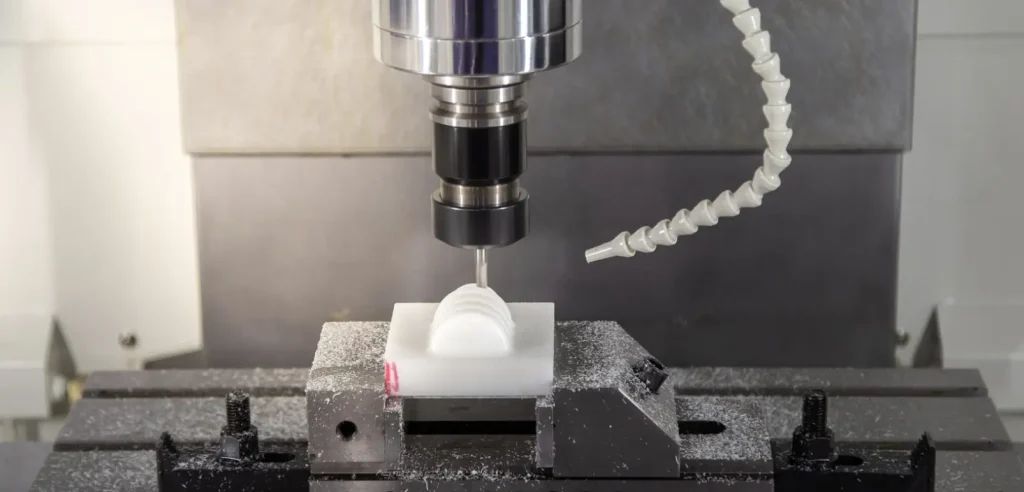
This article focuses specifically on cutting techniques for resin, with lathe machining and milling being the primary methods.
Lathe Machining
Lathe machining is primarily used for creating cylindrical parts. The process involves:
- Securing the material in a lathe chuck and rotating it at high speed
- Using a cutting tool to shape the material by removing excess portions
- Achieving high precision and smooth surface finishes, particularly for components like shafts and rollers
- Enabling complex profiles and precise internal diameters through controlled tool movement and speed
Milling
Milling is primarily used for cutting flat surfaces and complex three-dimensional shapes. The process includes:
- Using a rotating cutter on a milling machine to remove material
- Creating diverse shapes, including grooves, gears, and intricate 3D structures
- Utilizing both horizontal and vertical milling machines depending on requirements
- Ensuring precision by selecting the right cutter type, speed, and material fixation method
Steps in the Resin Cutting Process
The resin cutting process involves several key steps, from reviewing designs to final inspection:
STEP
Reviewing Machining Drawings
Carefully examine the blueprints to understand the product shape, dimensions, and material requirements.
STEP
Material Selection
Choose the appropriate resin based on performance needs and cost efficiency.
STEP
Machine Selection
Select suitable equipment such as lathes, milling machines, or machining centers depending on the design complexity.
STEP
Programming
Use CAD/CAM software to create machining programs that convert the design into machine-readable instructions.
STEP
Cutting Process
Secure the material, set the machining conditions, and execute the cutting process according to the program.
STEP
Finishing
Perform necessary post-processing steps like deburring, chamfering, and surface treatments (e.g., polishing or painting).
STEP
Inspection
Conduct final quality checks to ensure the product meets design specifications in terms of dimensions, shape, and surface finish.
By following these steps and considering the unique properties of resin materials, manufacturers can produce high-quality, precision-cut resin parts for a wide range of applications.
Trust Koyo High Precision for Machining Plastics and Resins
At Koyo High Precision, we combine advanced technology with years of hands-on experience to expertly handle the machining of plastics, synthetic resins, and other difficult-to-machine materials.
No matter how complex the geometry or how challenging the material, we optimize machining conditions by carefully monitoring chip formation, tool wear, cutting surface quality, and even the sound of the process to achieve precise, high-quality results.
We provide customized machining solutions tailored to your specific requirements, whether it’s for prototypes, high-precision components, or production runs.
Contact Koyo High Precision today for consultations or quotations. We’re ready to support all your resin and plastic machining needs.
